
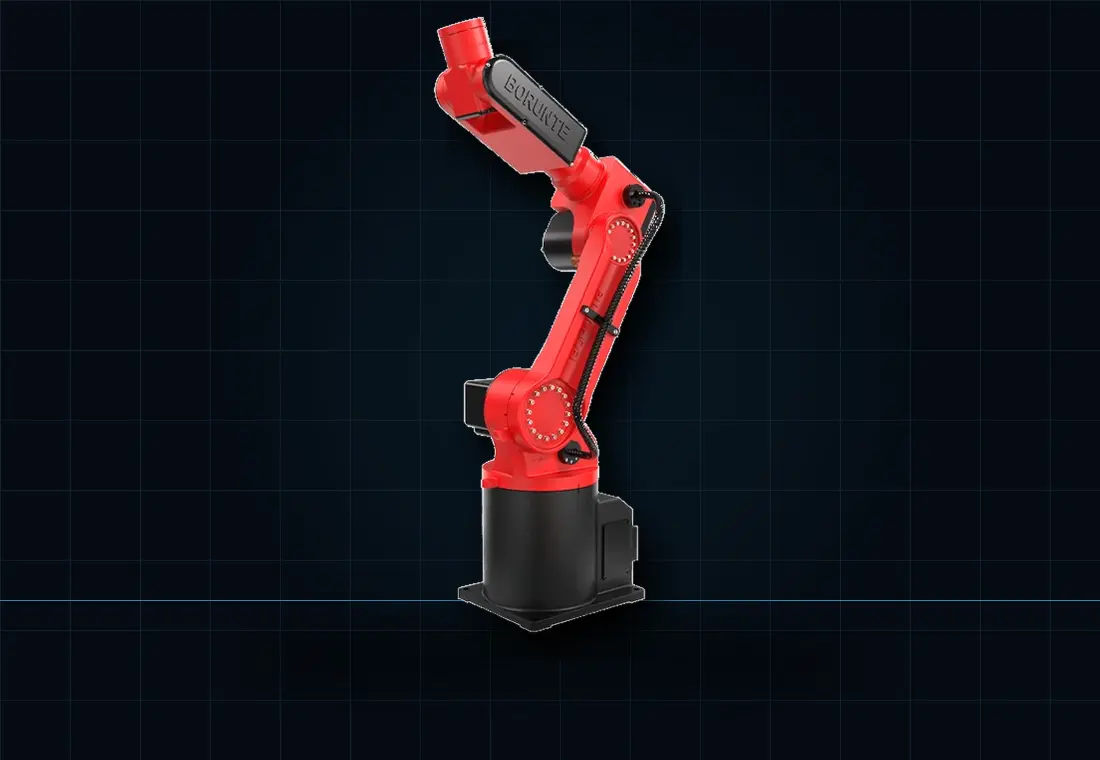
Turn unstructured parts into a controlled robot process
Bin picking can remove manual part presentation, but reliability depends on whether the system can see, reach, grip and extract a usable part throughout the container.
A 3D sensor captures the surface of the bin and identifies candidate parts. Vision software estimates a pick pose, while the robot path and tooling must avoid the bin walls, neighbouring parts and fixtures. The cell then confirms the grip and presents the component to the next machine, inspection point or assembly process.
The hardest conditions are usually not the first easy picks. Tangled parts, reflective or dark surfaces, deep bins, thin edges, unstable stacks and the final layer can reduce detection or access. We review the full bin, expected contamination, replenishment method and empty-bin changeover before defining the concept.
Some applications benefit from a hybrid approach: controlled trays, step feeders or partial singulation may deliver a faster and more robust result than completely random picking. The right answer is the simplest presentation method that achieves your required output and uptime.
Start with your product and target rate
Send product details, variants, current-process photos or video, target output and available space. We will use them to identify the right feasibility work and the simplest reliable cell concept.