
Increase output · Improve consistency · Reduce repetitive handling 01865 416830sales@oxfordindustrialautomation.co.uk
Rotate, flip and align

Move every product into the right orientation.

Identify the incoming pose, grip securely and present each item in the orientation required by packaging, assembly, inspection or processing.

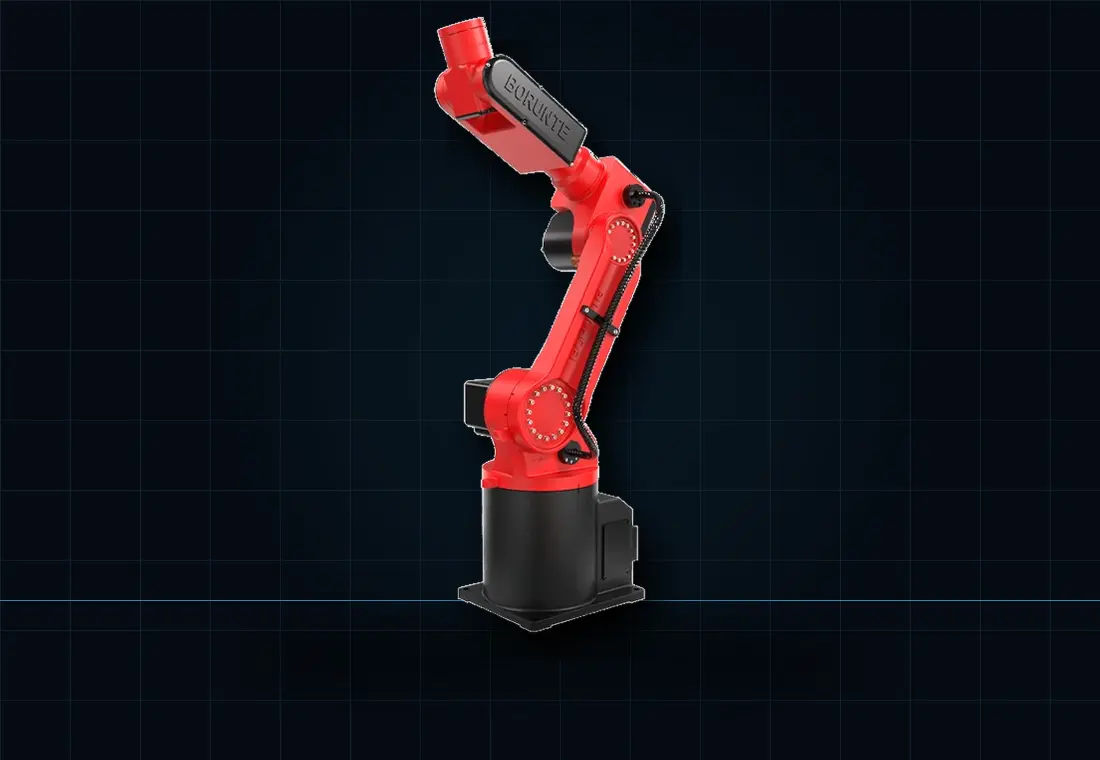
Red articulated robot arm on a black base.
Your production outcome

Orientation begins before the robot moves

A reliable orientation process needs a clear definition of acceptable incoming states and the required output pose. Sensing, tooling and robot freedom are selected around that transformation.

The system may receive products in a known orientation from a fixture or feeder, or use vision to identify randomly presented items. The robot can then rotate, turn, flip or align the product during transfer. For some tasks a SCARA or delta robot with a rotational axis is sufficient; complex changes often favour a six-axis robot.

Tooling must retain the product throughout acceleration without marking, deforming or losing it. Symmetrical parts may need a feature that vision can detect, while reflective, translucent or flexible products can require controlled lighting and a product-specific imaging approach.

The right robot follows your needs

You do not need to choose the robot first. Your product, target rate, movements, access and existing equipment determine whether SCARA, delta, collaborative or six-axis technology will give you the best result, together with the tooling, controls and safeguarding needed for production.

Design factors

Control the variables that define real output.

These elements are reviewed together so the cell can handle normal production variation and recover predictably.

Incoming states

Define every orientation the system should accept and how unknown states are handled.

Reference feature

Choose a visible or mechanical feature that establishes product pose consistently.

Grip security

Maintain control during rotation while protecting the product surface and shape.

Tool clearance

Check the complete swept volume of the product, gripper and cables.

Output datum

Use fixtures, conveyors or machine nests that preserve the corrected orientation.

Verification

Confirm the final pose where a wrong orientation could disrupt the next process.

Control sequence

A coordinated route from arrival to placement.

The exact sequence is application-specific, but every stage needs a defined condition, action and fault response.

Detect

Locate the product and determine its current pose.

Plan

Select the correct grip and motion for the required orientation.

Reorient

Rotate or flip the item while maintaining secure control.

Present

Release to a stable downstream datum and verify where needed.

Frequently asked questions

Questions about robotic product orientation.

Use these answers as a starting point; your products and real production conditions determine the final solution.

Can robots orient randomly placed products?

Yes. Vision can locate the product and determine orientation, subject to visibility, overlap, lighting and the features available for detection.

Which robot is best for flipping products?

A six-axis robot offers the greatest freedom, while some delta systems provide additional orientation axes. The required movement, rate, payload and work envelope determine the best architecture.

Can the robot orient delicate products?

Yes, if the gripper and motion profile are designed around the product. Vacuum distribution, soft contact materials, compliant fingers and controlled acceleration may be used.

How is the final orientation checked?

Vision, sensors, fixture switches or downstream equipment feedback can verify pose. The system can retry, reject or stop according to agreed fault logic.

See what will work on your production line.

Send your product details, target output, photos or a short process video. We will recommend the right next step and explain what is needed for a reliable robot cell.

Get a recommendation →
Call 01865 416830Get a recommendation →